
"first station"
3000 article(s) found

Rwanda Coffee Origin Rwanda Coffee Taste
Rwandans have been growing coffee since colonial times, but until 1999, its products were still classified as below Class C and were not popular in the global market. The reason for the poor quality is that farmers do not have a fixed procedure for washing coffee beans and do not process coffee fruits according to specifications in time. Buyers buy coffee beans at $0.33 per kilogram, and farmers keep warm by the meagre profits earned at low prices.
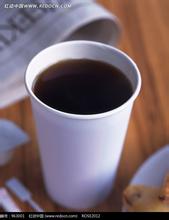
The Historical Origin of Rwandan Coffee
Historical editors originate that Rwandans have been growing coffee since colonial times, but until 1999, its products were still classified as below Class C and were not popular in the global market. The reason for the poor quality is that farmers do not have a fixed procedure for washing coffee beans and do not process coffee fruits according to specifications in time. Buyers buy coffee beans at $0.33 per kilogram, which farmers earn at low prices.

History of Rwandan Coffee A brief introduction to the Origin of Rwandan Coffee
The taste of Rwandan coffee is extremely special. Rwandans have been growing coffee since colonial times, but until 1999, its products were still classified as below Class C and were not popular in the global market. The reason for the poor quality is that farmers do not have a fixed procedure for washing coffee beans and do not process coffee fruits according to specifications in time. Buyers buy coffee beans at $0.33 per kilogram, and farmers rely on low prices.

Tea face pleasant new brand unveiled, "penalty station" slot is still the same?
Local tea brands have a pleasant tea face and "make trouble" again! September 19, Chayanyue dice brand Gude ink lemon official Xuan, the first batch of 5 stores officially opened in Changsha. At present, good ink lime does not set up a separate store, but in the original tea color store to set aside some areas to try. The main brand has its own flow and customer source, one

The source of washed coffee from Rwanda
Rwandans have been growing coffee since colonial times, but until 1999, its products were still classified as below Class C and were not popular in the global market. The reason for the poor quality is that farmers do not have a fixed procedure for washing coffee beans and do not process coffee fruits according to specifications in time. Buyers buy coffee beans at $0.33 per kilogram, and farmers keep warm by the meagre profits earned at low prices.

Introduction to the treatment methods of fine Rwandan coffee beans
Rwandans have been growing coffee since colonial times, but until 1999, its products were still classified as below Class C and were not popular in the global market. The reason for the poor quality is that farmers do not have a fixed procedure for washing coffee beans and do not process coffee fruits according to specifications in time. Buyers buy coffee beans at $0.33 per kilogram, and farmers keep warm by the meagre profits earned at low prices.

Introduction to the flavor and taste of Rwandan coffee beans the characteristics of Rwandan coffee beans
In 2000, the Mayor of Malaba requested development assistance from the National University of Rwanda (UNR), which is located near the city of Butare, and the following year, the National University of Rwanda assisted in the establishment of the Joint strengthening Rwanda Agricultural Partnership (PEARL). PEARL is also supported by several organizations: the United States Agency for International Development (USAID), Michigan State University, Texas A & M University, and

Introduction of washed Rwanda coffee beans classification of fine coffee
Rwandans have been growing coffee since colonial times, but until 1999, its products were still classified as below Class C and were not popular in the global market. The reason for the poor quality is that farmers do not have a fixed procedure for washing coffee beans and do not process coffee fruits according to specifications in time. Buyers buy coffee beans at $0.33 per kilogram, and farmers keep warm by the meagre profits earned at low prices.
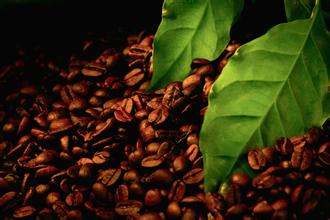
History of coffee in Rwanda
In 1999, 220 coffee growers formed guilds in the Malaba area (formerly part of Butare province) to address the disease. Among the guild members, many farmers were separated from their loved ones by the 1994 mass massacre, while some husbands were jailed or were taken to the traditional Gacaca Court (gacaca) to face trial on charges of participating in the massacre. They named the guild Abauza.

Which producing area does Burundian coffee belong to? characteristic altitude of washing station.
Where does Burundian coffee belong? there are two major ethnic groups in Burundi. Only about 15% of the Tutsi have ruled the country since the 16th century, controlling the civilian population, mainly composed of Hutu, plus a very rare aboriginal Twa. It is not normal for ethnic minorities to occupy high positions.
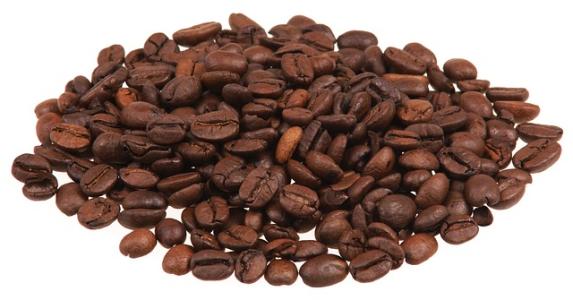
An introduction to the Historical Origin of Malaba Coffee in Rwanda
Following caf é (Wechat official account vdailycom) found that Malaba Coffee, Rwanda Malaba Coffee (Rwandan: Ikawa ya Maraba, French: Caf de Maraba) is a fair trade certified coffee grown in Malaba area of southern Rwanda. The coffee crop of Malaba is a bourbon variety of Arabica species.

Sweden's Volvo decided to turn its auto show into a mobile coffee station.
Following Cafe (Wechat official account vdailycom) found that Beautiful Cafe opened a small shop of its own. When we travel to Sweden, the first word we may learn is Fika. This is the equivalent of afternoon tea time in Britain. Fika is a proper term for sitting down for a cup of coffee. Swedes will choose a good cafe to sit down and enjoy desserts in different seasons.

Introduction of Rwanda Coffee Variety-Malaba Coffee beans
Rwandans have been growing coffee since colonial times, but until 1999, its products were still classified as below Class C and were not popular in the global market. The reason for the poor quality is that farmers do not have a fixed procedure for washing coffee beans and do not process coffee fruits according to specifications in time. Buyers buy coffee beans at $0.33 per kilogram, and farmers keep warm by the meagre profits earned at low prices.

The famous Rwandan coffee producing area manor, which is famous for washing and treating coffee beans, introduces the western province road of Kimmel Manor.
In 1999, 220 coffee growers formed guilds in the Malaba area (formerly part of Butare province) to address the disease. Among the guild members, many farmers were separated from their loved ones by the 1994 mass massacre, while some husbands were jailed or were taken to the traditional Gacaca Court (gacaca) to face trial on charges of participating in the massacre. They named the guild Abauza.

The Creative Coffee of "Silk Sugar" in Norway Post Station Cafe
Everything can be copied in a coffee shop, but the only thing that cannot be copied is the thinking of the leader of the cafe. After the improvement of the opinions of many guests, Guiyang's first coffee combines the local "silk sugar" creativity.
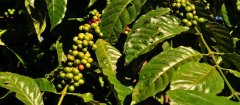
African Boutique Coffee Rwanda West Musioi Wash
Rwandan coffee, like many African countries, is mainly produced by small farmers. During the harvest period, the ripe coffee cherries are collected and sent to the processing station for processing. Every year, farmers gather ripe coffee berries for processing at processing stations, first picking them by hand to ensure that no immature or damaged fruit is mixed in. Then remove the peel and ring at cool temperatures
History of coffee in Rwanda
The Rwandans of origin have been growing coffee since colonial times, but until 1999, its products were still classified as below Class C and were not popular in the global market. The reason for the poor quality is that farmers do not have a fixed procedure for washing coffee beans and do not process coffee fruits according to specifications in time. Buyers buy coffee beans at $0.33 per kilogram, and farmers rely on the meagre profits earned at low prices.

The origin of coffee beans in Rwanda Coffee bean powder is too weak.
The Rwandans of origin have been growing coffee since colonial times, but until 1999, its products were still classified as below Class C and were not popular in the global market. The reason for the poor quality is that farmers do not have a fixed procedure for washing coffee beans and do not process coffee fruits according to specifications in time. Buyers buy coffee beans at $0.33 per kilogram, and farmers rely on the meagre profits earned at low prices.

Cafe Design Appreciation: Beijing ACE Cafe Industrial Style Cafe
ACE Cafe is a famous London RB themed restaurant bar, its first branch in China, converted from the original 751 Railway Station in Beijing's 798 Art District. In addition to the heavy metal theme, the design hopes to revive the icy building through digital technology and mechanical engineering techniques. Endow the space with breathing atmosphere and mechanical charm. At the same time, it's also the architect's way of realizing deformable architecture.

Description of Flavor Test of Honey Fruit Sun Yega Ficillin and Coffee Cup _ introduction of Syringa Foge treatment Plant
Professional coffee knowledge exchange more coffee bean information please follow coffee workshop (Wechat official account cafe_style) Yega Sheffield Coffee-Syringa Foge processing Plant Ethiopia Yega Sheffield Syringa Foge processing Station Honey Fruit Sun production area: Yirgacheffe treatment Station: Celinga Foge altitude: 1780 Yirgacheffe 1860m Tree species: Heirloom picking treatment: November-January baking